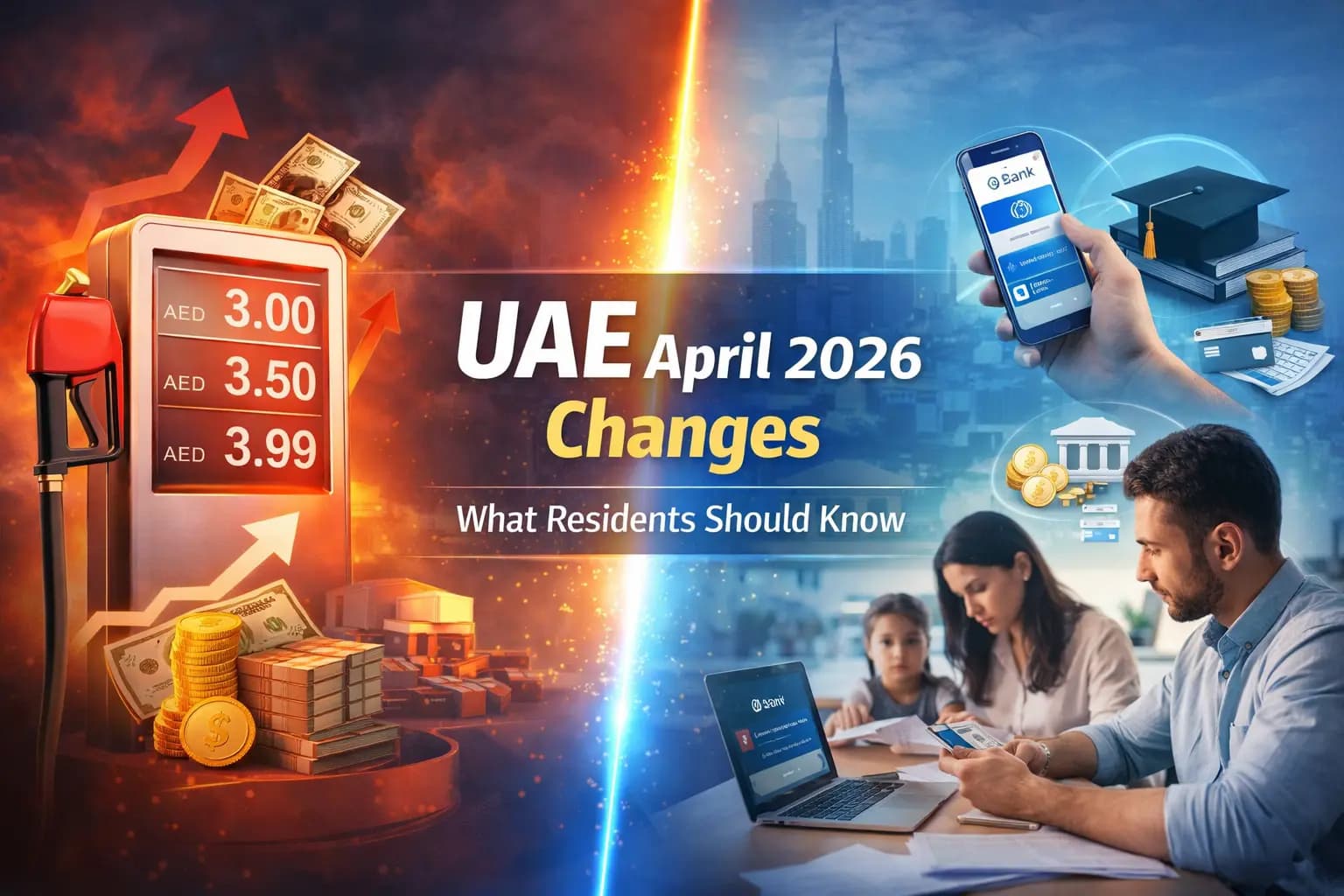

Discover the latest Dubai updates for April 2026 including new residency visa rules, banking security changes, driverless taxis, fuel price hike, and flight resumptions. Stay informed with key UAE policy changes.
Dubai has once again introduced a series of important updates that reflect its vision of becoming one of the most advanced, secure, and business-friendly cities in the world. As part of the Dubai updates April 2026, several new rules and developments have come into effect across sectors such as residency, banking, transportation, education, and economic policy.
These changes are not only significant for residents but also for global investors and tourists who closely follow UAE policy updates. Understanding these developments will help individuals and businesses stay compliant, make better decisions, and take advantage of new opportunities in the emirate.
Let’s take a deeper look at the eight major changes in Dubai in April 2026 and what they mean in real terms.
Dubai Residency Visa Rules Return to Normal
One of the most crucial updates under the Dubai residency visa rules 2026 is the end of the temporary grace period that allowed expired visa holders to re-enter the UAE without obtaining a new entry permit. This flexibility was available for a limited time, but as of March 31, 2026, it has officially ended.
From April 1 onwards, standard immigration procedures have resumed. This means that individuals whose residency visas have expired must now apply for a fresh entry permit before returning to Dubai. The government’s decision to reinstate normal visa rules reflects a move toward stricter compliance and streamlined immigration processes.
This update is particularly important for expatriates and frequent travelers who may have relied on the grace period. Failing to follow the updated UAE visa update April 2026 regulations could result in delays, additional costs, or even denial of entry. It reinforces the importance of planning travel and visa renewals carefully in advance.
Banking Security in the UAE Moves Toward Biometrics
Another major development is the transformation of banking security updates in UAE, where traditional OTP-based systems are being phased out for high-value transactions. Instead of receiving one-time passwords via SMS or email, users will now authenticate transactions using biometric verification methods such as fingerprint scanning or facial recognition.
This shift toward biometric banking in Dubai is a significant step in enhancing cybersecurity and reducing the risk of fraud. OTPs have long been vulnerable to phishing attacks and SIM-swapping scams, making them less reliable in today’s digital landscape.
The adoption of biometric authentication ensures a more secure and seamless banking experience. Customers are encouraged to update their banking apps and enable biometric features to align with these changes. This move not only strengthens financial security but also positions Dubai as a leader in fintech innovation.
Driverless Taxis Signal a Futuristic Shift
Dubai has taken another leap toward becoming a smart city with the introduction of driverless taxis in Dubai 2026. These autonomous vehicles are now operational in selected areas such as Jumeirah and Umm Suqeim, offering residents and tourists a glimpse into the future of transportation.
Available through ride-hailing platforms, these taxis are part of a larger strategy to integrate autonomous transport in UAE into everyday life. The initiative aligns with Dubai’s ambitious goal of making a significant portion of its transportation network driverless by 2030.
The introduction of self-driving taxis is expected to improve road safety, reduce traffic congestion, and lower carbon emissions. It also enhances the overall commuting experience by offering convenience and innovation. For a city known for pushing technological boundaries, this is another milestone that reinforces its global leadership in smart mobility solutions.
AED 1 Billion Economic Relief Package Supports Businesses
As part of the Dubai economic relief 2026, the government has announced a substantial AED 1 billion support package aimed at helping businesses navigate economic challenges and sustain growth. This initiative is particularly beneficial for sectors such as hospitality, tourism, and small-to-medium enterprises.
The relief package includes financial support measures such as fee reductions and deferred payments, providing much-needed breathing room for businesses. This proactive approach highlights Dubai’s commitment to maintaining a resilient and competitive economic environment.
For investors, this development sends a strong message that Dubai continues to prioritize business sustainability and economic diversification. The UAE business support package not only stabilizes current enterprises but also encourages new investments, making the emirate an even more attractive destination for global capital.
Distance Learning Continues Across Institutions
In the education sector, distance learning in Dubai 2026 remains in place until April 17. Schools, universities, and training institutions are continuing with online classes as part of a structured approach to modern education.
This decision reflects Dubai’s adaptability and its focus on integrating digital solutions into everyday systems. The continuation of online education in UAE ensures flexibility for students and educators while maintaining academic continuity.
It also indicates a broader shift toward hybrid learning models that combine traditional classroom experiences with digital platforms. This evolution in education is expected to prepare students for a more technologically driven future while enhancing accessibility and convenience.
Flight Resumptions Strengthen Global Connectivity
Travel and tourism have received a boost with the Dubai flight resumption 2026, as international airlines begin to restore operations. Notably, carriers such as Air France have resumed flights to Dubai, reconnecting the city with key global destinations.
This development is expected to significantly increase tourism and business travel, reinforcing Dubai’s position as a global aviation hub. With more airlines returning, travelers can expect improved connectivity, competitive fares, and greater flexibility in planning their journeys.
The resumption of flights also supports various sectors, including hospitality, retail, and real estate, by driving visitor numbers and economic activity. As airlines to Dubai April 2026 continue to expand routes, the city is set to witness a strong rebound in international travel.
Fuel Price Hike Impacts Daily Expenses
Among the more immediate changes affecting residents is the fuel price hike in UAE April 2026. Petrol prices have increased across the country, leading to higher transportation costs for individuals and businesses alike.
This rise in fuel prices is likely to influence daily commuting expenses, logistics operations, and service charges. Over time, it may also contribute to a slight increase in the overall cost of living.
However, such adjustments are part of broader economic dynamics and global energy trends. Residents may need to adapt by exploring cost-saving measures such as carpooling or increased use of public transport. The petrol price increase in Dubai serves as a reminder of the interconnected nature of global markets and local economies.
Worker Safety and Development Under Dubai 2040 Plan
Dubai’s long-term vision continues to focus on human development, as seen in the new initiatives under the worker safety UAE 2040 plan. These reforms aim to improve living conditions, workplace standards, and overall well-being for workers across various sectors.
The emphasis on safety and development reflects a commitment to sustainable and inclusive growth. By enhancing labor conditions and providing better facilities, Dubai is ensuring that its workforce remains healthy, productive, and motivated.
These changes are part of the broader Dubai labor reforms aligned with the Dubai 2040 Urban Master Plan. The goal is to create a city that offers a high quality of life for all residents, regardless of their role or background.
Conclusion
The Dubai updates April 2026 highlight the emirate’s ability to adapt, innovate, and lead across multiple sectors. From stricter Dubai residency visa rules to advanced banking security systems, and from driverless taxis to economic relief measures, each change contributes to a stronger and more future-ready city.
For residents, these updates emphasize the importance of staying informed and compliant. For investors, they reinforce confidence in Dubai’s stable and forward-thinking environment. For travelers, they showcase a destination that is constantly evolving to offer better experiences.
As Dubai moves ahead with its ambitious plans, it continues to set global benchmarks in governance, technology, and quality of life.
FAQs
1. What are the new Dubai residency visa rules in April 2026?
From April 1, 2026, expired visa holders can no longer return to Dubai without a new entry permit. The grace period ended on March 31, and normal UAE immigration rules now apply.
2. What changes have been made to banking security in the UAE?
Banks in the UAE are replacing OTPs for high-value transactions with biometric authentication methods such as fingerprint and face recognition to improve security.
3. Are driverless taxis available in Dubai now?
Yes, driverless taxis are now operational in selected areas like Jumeirah and Umm Suqeim and can be booked through ride-hailing apps.
4. What is the AED 1 billion economic relief package in Dubai?
The Dubai government has introduced a financial support package worth AED 1 billion to help businesses, including fee reductions and delayed payments for sectors like hospitality.
5. Is distance learning still continuing in Dubai?
Yes, online classes for schools and universities will continue until April 17, 2026, as part of Dubai’s flexible education approach.
6. Which airlines have resumed flights to Dubai in April 2026?
Airlines such as Air France have resumed flights to Dubai, improving global connectivity and boosting tourism and business travel.
7. Has fuel price increased in the UAE in April 2026?
Yes, petrol prices have increased in April 2026, which may lead to higher transportation and daily living costs.
8. What are the new worker safety rules under the Dubai 2040 plan?
The new rules focus on improving worker living conditions, workplace safety, and overall well-being as part of Dubai’s long-term development strategy.
Written by
Adeeba Haider
Digital Outreach coordinator
Adeeba Haider leads Morin Properties' digital presence, connecting potential buyers and investors with opportunities through creative content and strategic outreach. With a background in digital marketing and a keen eye for what resonates with today's property seekers, she ensures Morin Properties stays visible and relevant across all platforms. Adeeba manages everything from social media campaigns to email outreach, always focused on creating genuine connections rather than just clicks. She's passionate about storytelling and believes every property has a story worth telling.